
NATIONAL SYMBOLS Lesson Note
LEARNIG OBJECTIVES
This SS1 CITIZENSHIP & HERITAGE lesson note covers NATIONAL SYMBOLS for First Term, Week 5.
Lesson Note
LEARNIG OBJECTIVES
At the end, students should be able to:
1. define national symbol
2. mention the Nigeria national symbols
A. Meaning of National Symbols
National symbols are official signs, objects, colours, songs, or emblems that represent the identity, unity, history, and sovereignty of a country. They help citizens identify with their nation and promote patriotism and national consciousness.
Nigeria has several national symbols that remind citizens of the country’s values, history, and aspirations.
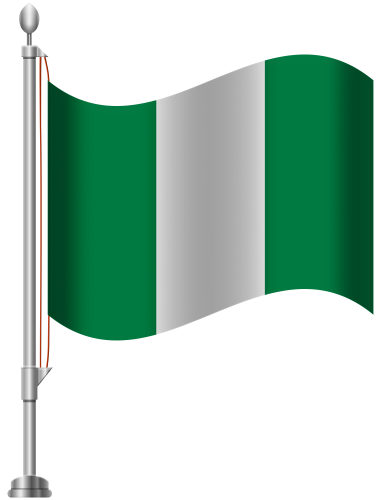
B. Examples of Nigerian National Symbols
1. The Nigerian Flag
The Nigerian flag has three vertical stripes: green, white and green.
*Green: represents agriculture and the rich natural resources of Nigeria.
*White: represents peace and unity.
2. The National Coat of Arms
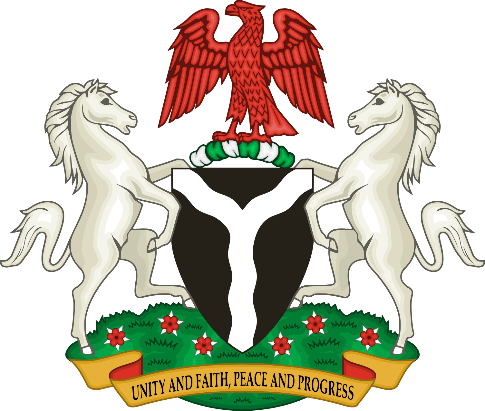
The Coat of Arms is an important symbol of Nigeria. It contains:
*A black shield: representing Nigeria’s fertile soil.
*Two white horses: representing dignity.
*A red eagle: representing strength.
*A white band: with the motto “Unity and Faith, Peace and Progress.”
*The Y-shaped silver: band represents the major rivers, the Niger and Benue.
3. The National Anthem
The National Anthem is a patriotic song that expresses citizens’ commitment to Nigeria, unity, peace, and service to the nation.
4. The National Pledge
The National Pledge is a declaration of loyalty and commitment made by Nigerian citizens. It encourages citizens to be faithful and loyal to Nigeria.
5. The National Currency
The Naira (₦) is the official currency of Nigeria. It is also regarded as a national symbol because it represents the country's economic sovereignty.
6. The National Flag Colour
The green and white colours are strongly associated with Nigeria and are displayed during national celebrations and important occasions.
7. The National Seal
The Nigerian national seal is an official emblem used by the government on important documents and official communications.
C. Importance of National Symbols
National symbols are important because they:
*Promote national unity.
*Encourage patriotism among citizens.
*Create a sense of national identity.
*Remind citizens of the country’s history and values.
*Promote peace and loyalty to the nation.
*Represent Nigeria at international events.
*Encourage citizens to respect their country.
*Help distinguish Nigeria from other countries.
*Promote national consciousness and pride.
*Serve as symbols of Nigeria’s sovereignty and independence.
D. Ways Citizens Can Respect National Symbols
Citizens should:
Stand respectfully when the national anthem is being played.
*Treat the Nigerian flag with dignity.
*Recite the national pledge sincerely.
*Avoid damaging or insulting national symbols.
*Display national symbols appropriately during national celebrations.
*Teach younger people the meaning and importance of the symbols.
*Demonstrate patriotism through responsible citizenship.
Conclusion
National symbols are important instruments of national identity, unity, and patriotism. Every Nigerian citizen should understand their meanings and treat them with respect. They remind us that, despite our different ethnic, cultural, and religious backgrounds, we belong to one nation—Nigeria.
WEEKLY EVALUTION
OBJECTIVE QUESTIONS
1. Which of the following is a national symbol of Nigeria?
A. School uniform
B. National Flag
C. School badge
D. House colour
2. The Nigerian National Flag consists mainly of _____ colours.
A. two
B. three
C. four
D. five
3. The colours of the Nigerian flag are _____ and _____.
A. red and white
B. green and white
C. blue and green
D. yellow and black
4. The green colour in the Nigerian flag represents _____. A. mineral resources
B. agriculture and natural wealth
C. peace only
D. military power
5. The white colour in the Nigerian flag symbolizes _____. A. war
B. peace and unity
C. agriculture
D. wealth
6. The National Anthem is a symbol that expresses _____. A. national pride and loyalty
B. personal wealth
C. political disagreement
D. tribal conflict
7. Which of the following is found on the Nigerian Coat of Arms?
A. A rising sun
B. Two horses
C. A palm tree
D. A lion
8. The Nigerian Coat of Arms is supported by two _____. A. eagles
B. horses
C. lions
D. elephants
9. National symbols help to promote _____ among citizens. A. disunity
B. national identity
C. hatred
D. conflict
10. Which of the following is NOT a Nigerian national symbol?
A. National Flag
B. Coat of Arms
C. National Anthem
D. School timetable
Theory Questions
1a) What are national symbols?
1b) Mention five national symbols of Nigeria.
2a) Explain the meaning of the colours of the Nigerian National Flag.
2b) State four importance of national symbols.